

Can PRP Help Shoulder Pain? Understanding Regenerative Options for Injured Shoulders
Shoulder pain has a frustrating way of showing up in everything you do. Reaching for a shelf, sleeping on your side, throwing a ball with your kid. Rotator cuff problems in particular affect a huge portion of adults over 40, and the usual path of rest, therapy, and cortisone shots doesn't always deliver lasting relief.
That gap has pushed more people to ask about PRP for shoulder pain, a regenerative approach that uses your own blood to support healing inside the joint. The research behind it has grown considerably, and it's worth understanding what it can and can't do.
How Platelet-Rich Plasma Works
The concept is simpler than the name suggests. A provider draws a small amount of your blood, then spins it in a centrifuge to separate out the platelets and growth factors. The provider then injects that concentrated portion into the injured area of the shoulder.
Platelets do more than help blood clot. They carry growth factors that signal the body to begin tissue repair. Injecting a concentrated dose directly into a damaged tendon or inflamed joint is meant to give the healing process a stronger starting point than it would have on its own.
Which Shoulder Problems Respond Best
Not every shoulder issue is a good match for this treatment. The conditions most commonly treated with PRP include:
- Rotator cuff tendinopathy, where the tendon has degenerated over time
- Partial-thickness rotator cuff tears
- Chronic shoulder tendinitis that hasn't responded to therapy
- Some cases of shoulder osteoarthritis
- Labral irritation in select patients
Full-thickness tears and severe structural damage generally fall outside what an injection can address. If a tendon has completely torn away from the bone, no amount of growth factor will reattach it. Surgery becomes the realistic option in those situations.
What the Research Actually Shows
The evidence here is worth looking at honestly, because it's more nuanced than most marketing suggests.
Multiple systematic reviews have found that PRP produces meaningful short-term pain relief for rotator cuff tendinopathy, with improvements showing up at six weeks, three months, and six months in pooled data.
A large 2026 meta-analysis comparing PRP with corticosteroid injections concluded that PRP offers statistically significant improvements in pain and shoulder function, though researchers described the benefit as modest. Notably, the same analysis found PRP was associated with fewer adverse events at six months.
The longer-term picture is less clear. Some reviews have found that PRP's advantage over placebo or cortisone fades beyond the first year, and that its strongest effect appears to be pain control rather than dramatic structural repair. Preparation methods also vary widely between clinics, which makes results harder to compare across studies.
The Cortisone Comparison
Corticosteroid injections have been the standard for shoulder pain for decades, and they work well for quick relief. Inflammation drops fast, and many patients feel better within days.
The tradeoff is duration and tendon health. Repeated steroid injections may weaken tendon tissue over time, which is a real concern for anyone dealing with a chronic rotator cuff issue. PRP tends to work more slowly but appears to last longer, which is why some providers now favor it for patients who would otherwise need repeat cortisone shots.
What the Treatment Process Looks Like
The appointment itself is usually straightforward:
- A provider draws blood, similar to a standard lab draw.
- The sample is processed in a centrifuge to isolate the platelet-rich portion.
- The concentrate is prepared for injection.
- The provider injects it into the shoulder, often with ultrasound guidance for accuracy.
Most patients describe the injection as uncomfortable but manageable. Soreness and mild swelling for a few days afterward are common and typically fade within a week.
Recovery Expectations and Timeline
PRP is not a quick fix, and setting realistic expectations matters. Unlike cortisone, which can bring relief within days, PRP usually takes several weeks before improvement becomes noticeable. Many patients report gradual gains starting around the four to six week mark, with continued progress over the following months.
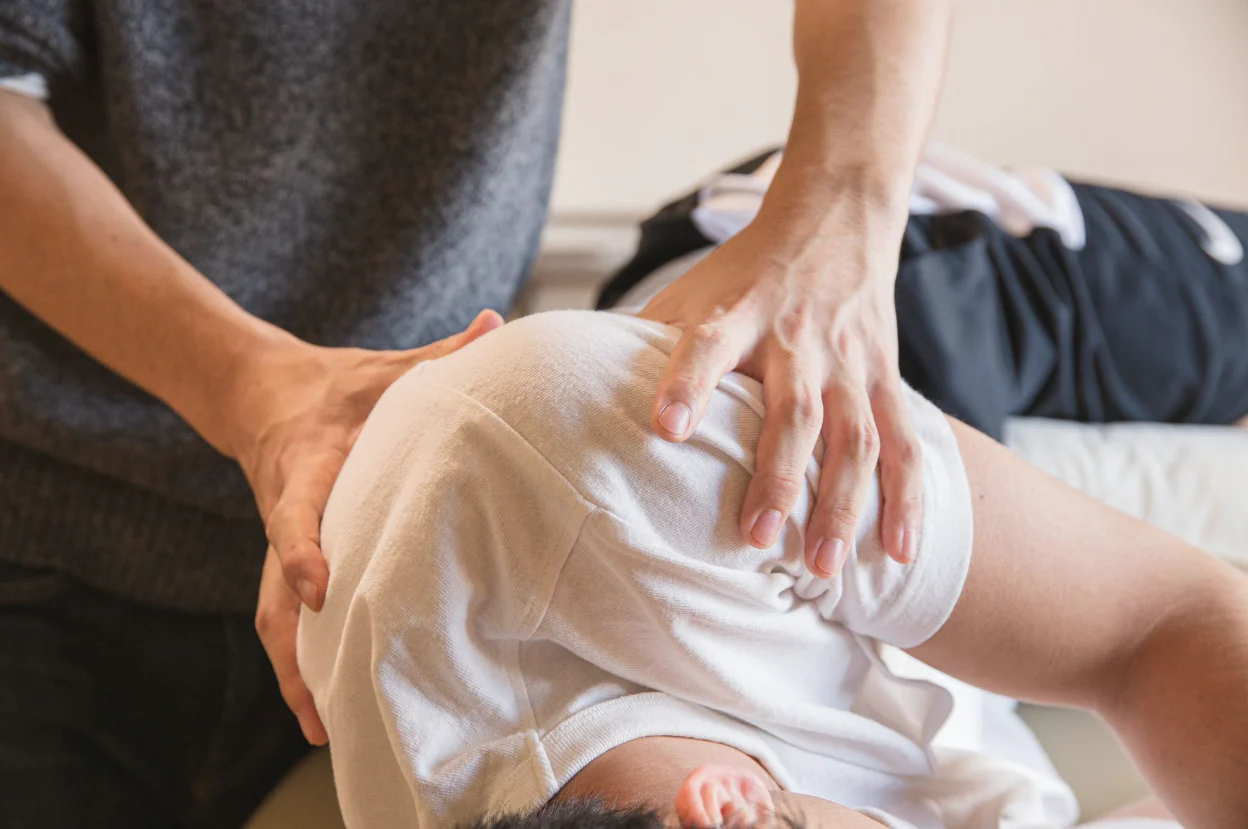
Some providers recommend a series of two or three injections spaced weeks apart rather than a single treatment. Activity modification during the early healing window also matters, since overloading the shoulder too soon can undercut the benefit.
Where PRP Fits in a Larger Treatment Plan
PRP tends to work best as one piece of a broader approach rather than a standalone cure. A complete plan usually includes:
- Physical therapy to rebuild strength in the rotator cuff and surrounding muscles
- Postural correction, since a forward shoulder position places constant strain on the joint
- Activity modification during the healing period
- Addressing inflammation through nutrition and lifestyle factors
Patients who pair the injection with structured rehabilitation consistently do better than those who treat the shot as the entire solution.
Who Might Not Be a Good Candidate
PRP isn't appropriate for everyone. People with active infections, certain blood disorders, or those taking specific blood-thinning medications may need to avoid it. Patients with complete tendon ruptures or advanced structural damage typically won't get much from it.
Cost is another practical consideration. Insurance generally doesn't cover PRP because most carriers still classify it as investigational. Pricing varies by clinic and by the number of injections recommended, so ask upfront.
Deciding Whether Regenerative Care Belongs in Your Shoulder Plan
Shoulder pain rarely has one universal answer, which is exactly why it helps to understand every available option before committing to a path.
PRP for shoulder pain has earned a legitimate place in conservative care, especially for people with rotator cuff tendinopathy or partial tears who want an alternative to repeated cortisone injections. It won't rebuild a severely damaged tendon, and it asks for patience. But for the right candidate, it can reduce pain and improve function without the downtime surgery demands.
Oregon Medical Centers brings chiropractic care, naturopathic medicine, and nurse practitioner-led services together under one roof, with each licensed provider evaluating and treating patients independently within their scope of practice.
If shoulder pain has limited what you can do, a thorough evaluation is the right first step toward finding what will actually help.
If you're suffering from shoulder pain, call 503-390-1552 or visit our website to schedule your free consultation.
Proudly serving patients in Salem/Keizer, Oregon, and Aloha/Beaverton, Oregon.
Latest Posts
PRP for Shoulder Pain: A Guide to Regenerative Care
September 28, 2026

Non-Surgical Hip Pain Treatment Options Explained
September 25, 2026

PRP for Knee Pain: A Guide to Relief Without Surgery
September 04, 2026